New Construction Homes in PA: A County-by-County Guide to Greater Philadelphia

Quick answer
New construction homes in PA around Philadelphia range from infill rowhomes and condos in the city to townhome and single-family communities in Montgomery, Bucks, Chester and Delaware counties. Philadelphia offers a declining 10-year tax abatement on new residential construction. In the suburbs, taxes depend on the county, municipality and school district. Bring your own agent to the first visit.
If you are looking at new construction homes in PA around Philadelphia, you are really choosing between five different markets with five different tax setups, and a builder's sales center is set up to sell you one community, not to compare them. Here is how I break it down for buyers before they visit anything.
What do new construction homes in PA look like around Philadelphia?
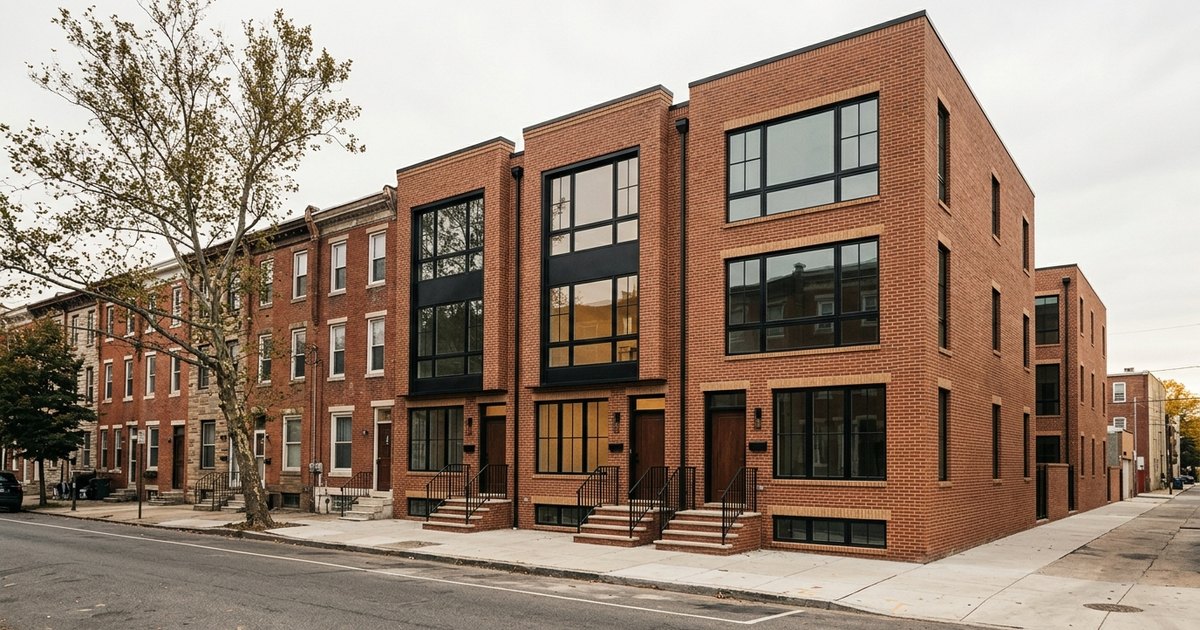
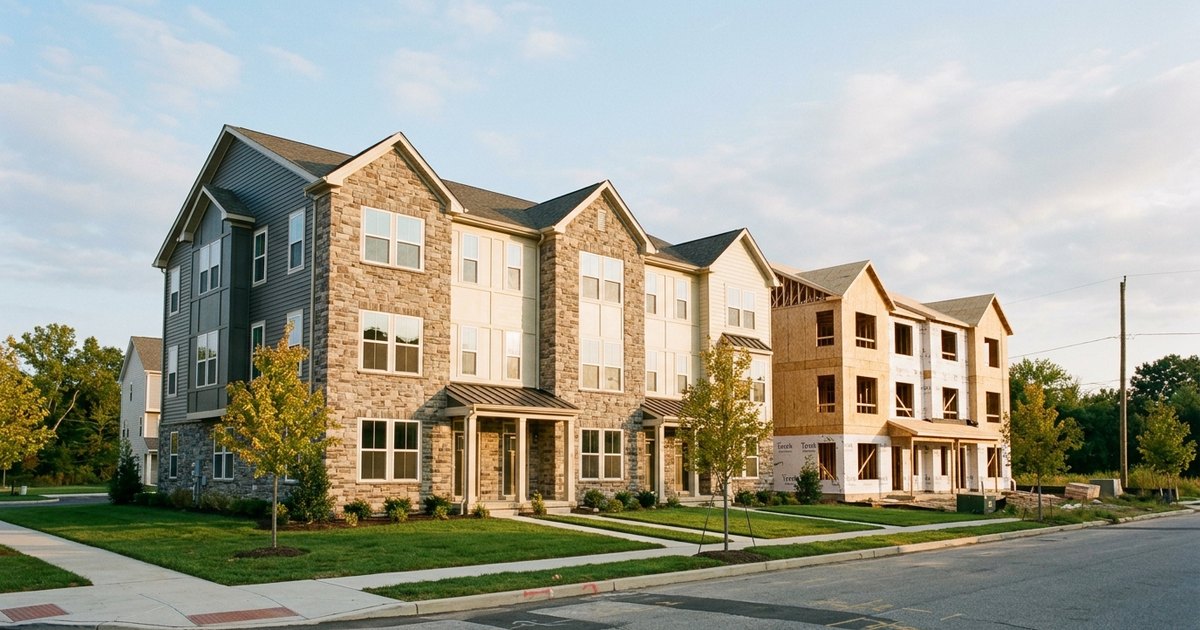
Around Philadelphia, new construction splits into two shapes. Inside the city it is mostly infill: new rowhomes, small condo buildings and conversions on single lots or short blocks. In Montgomery, Bucks, Chester and Delaware counties it is mostly planned communities of townhomes, carriage homes and single-family houses, plus some age-restricted communities and build-on-your-lot options.
That split matters because the buying process is different. An infill rowhome is often built by a small developer who might sell three or four houses on a block. A suburban community is usually a production builder with a sales center, a design center, a price sheet and its own contract.
For a sense of national pricing, the U.S. Census Bureau reported that the median sales price of new houses sold in August 2026 was $393,700. That is a national number, not a Philadelphia one, and local prices swing well above and below it depending on county, lot and finish level. Treat it as context, not a budget.
Looking at a new build?
The builder's sales agent works for the builder. I represent you, from the first model visit through the final walkthrough.
What kinds of new construction does each county have?
Each county has its own mix. Philadelphia leans toward infill rowhomes and condos. Montgomery and Delaware counties mix townhome communities with infill near older town centers. Bucks and Chester counties have more land, so you see more single-family subdivisions and larger lots, especially farther from the city.
Here is the general pattern I walk buyers through. It describes housing stock and product types, not any specific builder's pricing, because builder prices change by phase and I will not quote numbers I cannot verify.
| Area | Typical new construction product | Tax setup to know | Where I would start |
|---|---|---|---|
| Philadelphia | Infill rowhomes, small condo buildings, conversions | One citywide real estate tax rate; declining 10-year abatement on qualifying new residential construction | Philadelphia |
| Montgomery County | Townhome and carriage home communities, infill near town centers, some single-family | County, township or borough, and school district millage, each set locally | Montgomery County |
| Bucks County | Single-family subdivisions, townhome communities, some age-restricted communities and larger lots | County, township or borough, and school district millage | Bucks County |
| Chester County | Single-family subdivisions, townhomes, build-on-your-lot options farther out | County, township or borough, and school district millage | Chester County |
| Delaware County | Smaller communities and infill, townhomes, redevelopment sites | County, township or borough, and school district millage | Delaware County |
A few practical notes from walking these communities:
- Commute and transit vary more than people expect. A community near a Regional Rail line or a major highway exit is a different daily life than one twenty minutes past it. Drive the route at rush hour before you pick a lot.
- Lot premiums are real money. Corner lots, walkout basements and lots backing to open space are priced off the builder's sheet, and they are not always firm late in a phase.
- Schools are your research to do. Each community feeds a specific school district. Look up the district name, then check the district's own data and the Pennsylvania Department of Education's reports yourself.
How do property taxes on a new build work in Pennsylvania?
In Pennsylvania, a new home's real estate tax is based on its assessed value and the local tax rates. In the suburbs, you pay county, municipal and school district taxes, each with its own millage. In Philadelphia, one combined rate applies citywide, and many new homes carry a declining 10-year abatement on the building value.
The difference shows up fast on a monthly payment.
Philadelphia. The City lists a total real estate tax rate of 1.3998 percent for the 2025 tax year (0.6159 percent City plus 0.7839 percent School District). New residential construction can qualify for a 10-year abatement where the abated share of the building value drops 10 percent each year, and the land is still taxed from day one. I cover the full schedule in my guide to the Philadelphia tax abatement.
The collar counties. Philadelphia's abatement is a City program, so it does not follow you over the city line. Ask the builder and the municipality whether any local tax program applies to the parcel. Otherwise, your bill is the assessed value times the combined millage of your county, your township or borough, and your school district. Two homes at the same price in neighboring townships can carry very different tax bills. Ask the builder for the parcel's estimated assessment, then check the county assessment office and the school district's current millage.
Rates and assessments change, so confirm current figures with the county or City before you budget, and talk to a tax professional about your own situation.
What does it cost to close on a new construction home in PA?
Closing on a new build in PA includes the usual lender and title costs, prepaid taxes and insurance, and realty transfer tax. The Pennsylvania Department of Revenue sets the state transfer tax at 1 percent of the value, including contracted-for improvements, and most localities add their own. Who pays what is written into the builder's contract.
That last part is where new construction differs from resale. On a resale home, the split of transfer tax is a negotiation point in the agreement of sale. On a new build, the builder's attorney wrote the contract, and some builder contracts assign more of the closing costs to the buyer than a resale agreement would.
Here is a hypothetical to show why it matters. On a $500,000 new townhome in Montgomery County, the 1 percent state share alone is $5,000. If the local share is also 1 percent, that is another $5,000, for $10,000 total. Whether you pay half of that, all of it, or none of it depends entirely on the contract language. Local rates vary, so check your municipality's rate and have a real estate attorney review the contract.
Builder closing cost credits can offset some of this, which is why I compare every incentive in dollars. More on that in my post on builder incentives.
How do you buy a new construction home without losing leverage?
Buy new construction by registering your own agent before your first visit, comparing the builder's lender against an outside quote, reading the contract's delay and warranty sections, and scheduling independent inspections during the build. The builder's on-site sales agent works for the builder. Your agent should work only for you.
Here is the order I run it in with buyers:
- Pick the county and price band first. Narrow it to two or three communities so you are comparing like with like.
- Register your agent at the door. Most builders only recognize an agent named on your first visit. I tell buyers to walk in with me or give the sales center my name and license number, Harrisson Li, RS377974.
- Get the full price sheet. Base price, lot premium, structural options and the design center list. The base price is rarely where the money is.
- Get two loan quotes. One from the builder's affiliated lender, one from an outside lender, on the same loan type and the same day.
- Read the contract sections that hurt people. Completion date language, what happens if it slips, your deposit terms, and whether your rate lock survives a delay.
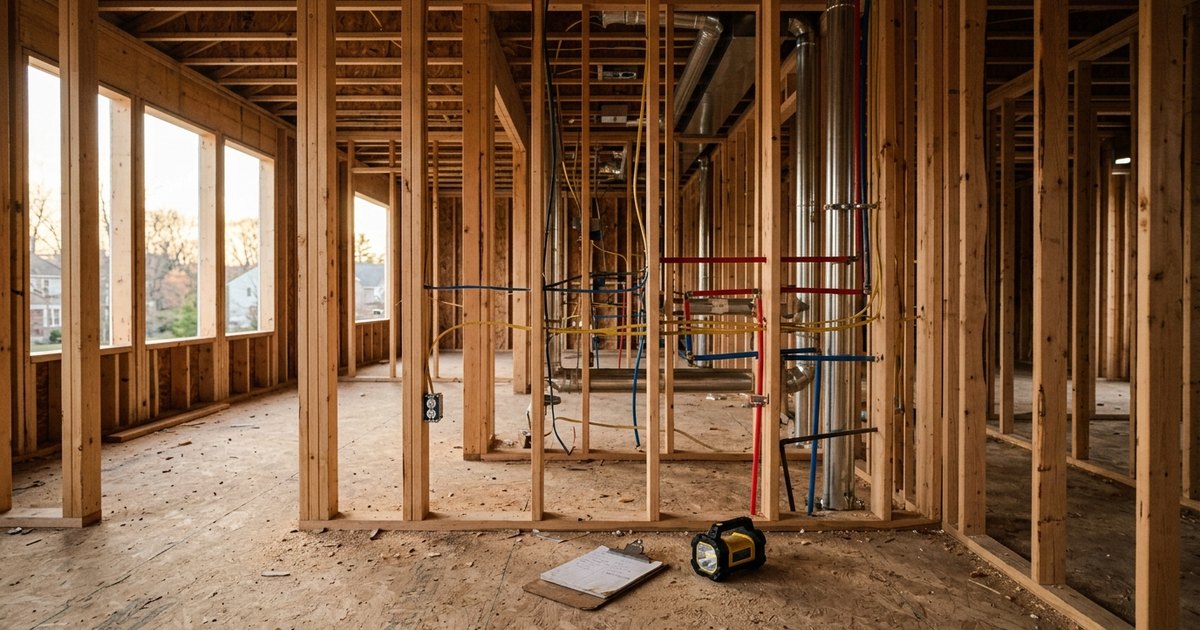
- Inspect during the build. A pre-drywall inspection before insulation goes in, then a final inspection and punch list before closing.
- Walk the final with your own list. The warranty starts at closing, so document everything before it.
I came from the construction side, so the build stages and the punch list are where I am most useful. You can browse current inventory on my new construction page, and I can send the communities that never make it onto the MLS.
Want a straight answer on your situation?
First conversation is about twenty minutes and costs nothing. Call, text, or send a note.
Is new construction worth it compared to a resale home in PA?
New construction can be worth it if you value new systems, current energy code and a warranty, and you are willing to wait for a build. A resale home often costs less per square foot, sits on an established lot and lets you negotiate on condition. The right answer depends on the specific house, not the category.
What I tell buyers is to compare the full cost of ownership for the first five years, not the sticker price. On a new build, that means lot premium, upgrades, closing costs the contract shifts to you, window treatments and landscaping the builder does not include, and the tax bill once any abatement steps down. On a resale, it means the roof, the mechanicals and the repairs the inspection turns up.
Run both and the answer is usually obvious for your situation. The first conversation is about twenty minutes and costs nothing.
Frequently asked questions
What is the best way to find new construction homes?
Is it cheaper to buy or build a house in PA?
Do new construction homes in Pennsylvania pay realty transfer tax?
Can I use my own agent at a builder's sales center?
Sources
This article is general information, not legal, tax, or financial advice. Rates, programs and rules change; confirm current figures with the official source, your attorney, tax professional, or lender. Published . Last updated .