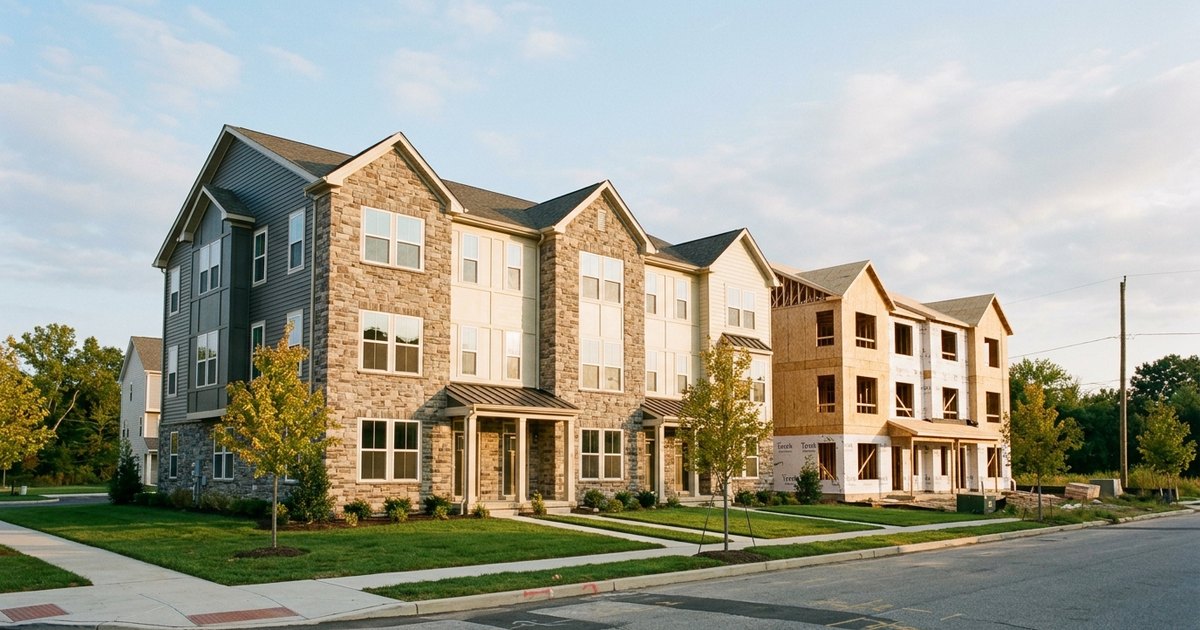
Builder Incentives: How to Compare New Construction Deals in PA

Quick answer
Builder incentives are concessions a home builder offers to close a sale, such as closing cost credits, mortgage rate buydowns, design center credits, lot premium discounts or a price reduction. Many are tied to the builder's affiliated lender. Compare every incentive in total dollars over the years you expect to keep the loan, and get an outside loan quote first.
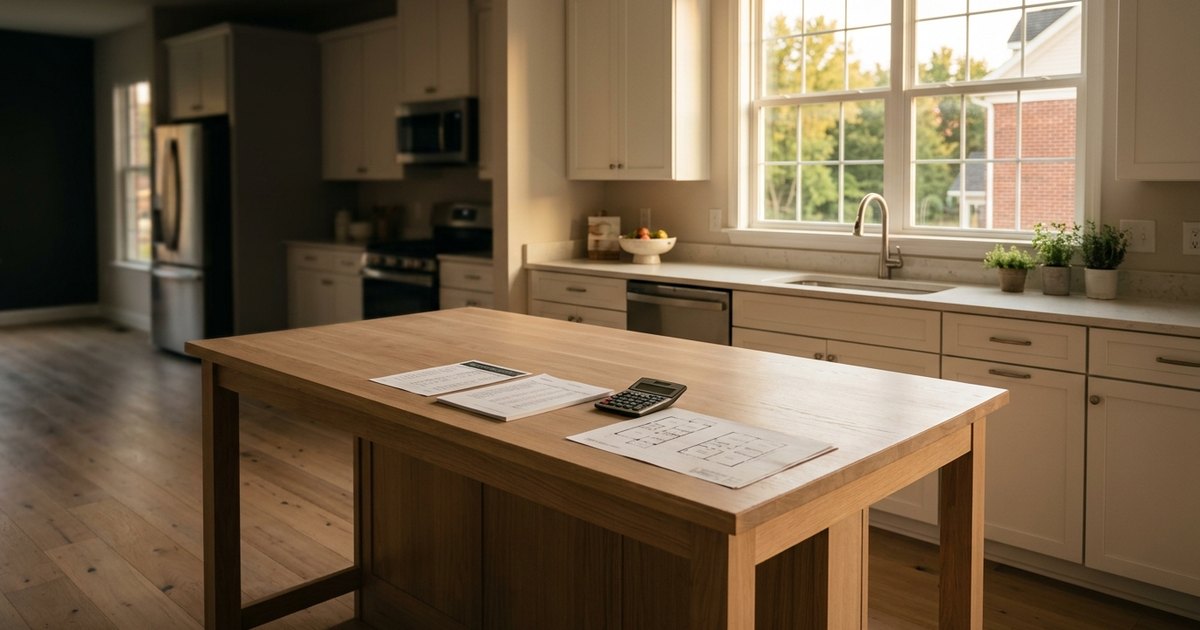
A builder's sales center will show you one big number: the incentive. What it will not show you is what that incentive is worth next to a different one, or next to an outside loan. That is the comparison I build for buyers before they sign anything.
What are builder incentives?
Builder incentives are concessions a builder offers to win a sale without cutting the advertised base price. Common ones are closing cost credits, mortgage rate buydowns, design center or upgrade credits, lot premium discounts, and occasionally a straight price reduction. Many of the largest incentives only apply if you finance through the builder's affiliated lender and title company.
Builders protect the base price for a reason. It sets the comparable sales for the rest of the community, including the homes they have not sold yet. So the money moves somewhere else: into credits, buydowns and upgrades that do not show up as a lower price.
That is not a trick, it is how production builders sell. But it means the headline incentive is the start of the analysis, not the end of it.
Looking at a new build?
The builder's sales agent works for the builder. I represent you, from the first model visit through the final walkthrough.
What types of builder incentives are there?
The main types are closing cost credits, permanent rate buydowns, temporary buydowns, design center credits, lot premium discounts and price reductions. Each one affects your money differently: some lower cash at closing, some lower the monthly payment, and some just change the finishes. Convert each one to dollars before you compare.
| Incentive | What it does | Who it helps most | What to check |
|---|---|---|---|
| Closing cost credit | Covers lender, title and prepaid costs at closing | Buyers short on cash to close | Whether it requires the builder's lender, and whether any is left unused |
| Permanent rate buydown | Builder pays discount points to lower your rate for the life of the loan | Buyers who plan to keep the loan for years | The rate without the buydown, and the outside lender's rate |
| Temporary buydown | Lowers the payment for the first year or two, then it steps up | Buyers expecting income to rise | The full payment after it ends, which is what you must afford |
| Design center credit | Dollars toward upgrades and finishes | Buyers who wanted those upgrades anyway | Design center pricing versus doing it after closing |
| Lot premium discount | Reduces the extra charge for a specific lot | Buyers set on a particular lot | Whether the premium itself is negotiable late in a phase |
| Price reduction | Lowers the contract price | Buyers who want a lower loan and lower taxes | Appraisal and how it affects the loan amount |
A note on rate buydowns. The Consumer Financial Protection Bureau explains that one discount point equals 1 percent of the loan amount and lowers the interest rate. So on a $450,000 loan, one point is $4,500. When a builder pays points for you, that is a closing cost incentive in another form, and it is worth exactly what the rate reduction saves you over the time you keep the loan.
How do you compare builder incentives?
Compare builder incentives by turning each one into a dollar figure over the years you expect to keep the loan, then comparing that against an outside loan quote with no incentive. Look at cash needed to close, the monthly payment and the full cost over your realistic time horizon. The biggest incentive is not always the best deal.
Here is the order I run it in:
- Get the builder's offer in writing. The incentive amount, what it can be used for, and every condition attached.
- Get a Loan Estimate from the builder's lender on a specific loan type, amount and lock period.
- Get a Loan Estimate from an outside lender on the identical loan the same day. The CFPB says homebuilders and real estate agents are often familiar with certain lenders, "but you can and should shop around to make sure you're getting the best deal."
- Line up the rate, APR, points and fees side by side.
- Calculate the break-even. How many months it takes for the lower payment, plus the smaller loan balance you would owe at that point, to make up the difference in cash at closing.
- Ask the builder for the incentive another way. Sometimes the same dollars can go to price, a lot premium or a different upgrade.
Here is a hypothetical with made-up numbers to show the math. A $500,000 townhome in Bucks County, 10 percent down, a $450,000 30-year fixed loan.
- Builder's lender: $15,000 closing cost credit, rate of 6.50 percent. Principal and interest is about $2,844 a month.
- Outside lender: the builder still gives $5,000, rate of 6.25 percent. Principal and interest is about $2,771 a month.
The builder's lender puts $10,000 more in your pocket at closing. The outside lender saves about $74 a month, and because the lower rate also pays the loan down a little faster, you owe less when you sell or refinance. Count both and the lower rate catches up in roughly 107 months, about 9 years. At 10 years the outside loan is ahead by about $1,250 in this example, ignoring taxes and what the cash could have earned. If you expect to sell or refinance before then, the builder's offer wins in this example. If you plan to stay much longer, the outside loan does. Your real numbers will be different, which is the whole point of running them.
Are there limits on how much a builder can give?
Yes. Loan programs cap how much an interested party, including a builder, can contribute toward your financing costs. Fannie Mae's Selling Guide caps these contributions on a principal residence at 3 percent of the price or appraised value above 90 percent loan-to-value, 6 percent from 75.01 to 90 percent, and 9 percent at 75 percent or less.
Fannie Mae counts the builder or developer as an interested party, and a temporary buydown funded by the builder or its affiliated lender counts toward the limit. The cap is figured on the lower of the sales price or the appraised value. FHA, VA and other loan types have their own rules.
What that means in practice: on a $500,000 purchase with 5 percent down, a conventional loan sits above 90 percent loan-to-value, so the cap is 3 percent, or $15,000. An incentive advertised as larger than that may not be fully usable on that loan. Ask your lender how the limit applies to your loan before you count on the full amount. These rules change, so confirm the current version with your lender.
Why should you bring your own agent to a builder's sales center?
Bring your own agent because the builder's on-site sales agent works for the builder. Their job is to sell homes in that community on the builder's terms. Your agent's job is to represent you: compare incentives, question the lot premium, read the contract and push back. Most builders only recognize an agent registered at your first visit.
I represent the buyer, not the builder. In practice that means:
- Registration. Walk in with me, or give the sales center my name and license number at the door: Harrisson Li, RS377974. Many builders will not pay a buyer's agent who was not registered at your first visit, which can leave you without representation on that community or paying for it yourself. Going in alone does not reduce your price.
- Lender comparison. When a builder refers you to an affiliated lender, federal rules require an affiliated business disclosure, and the CFPB's standard form says "You are NOT required to use the listed provider(s)" as a condition of the purchase. The incentive may still require it, which is why we compare.
- Contract terms. Completion date language, deposits, what happens if the build slips and whether your rate lock survives a delay.
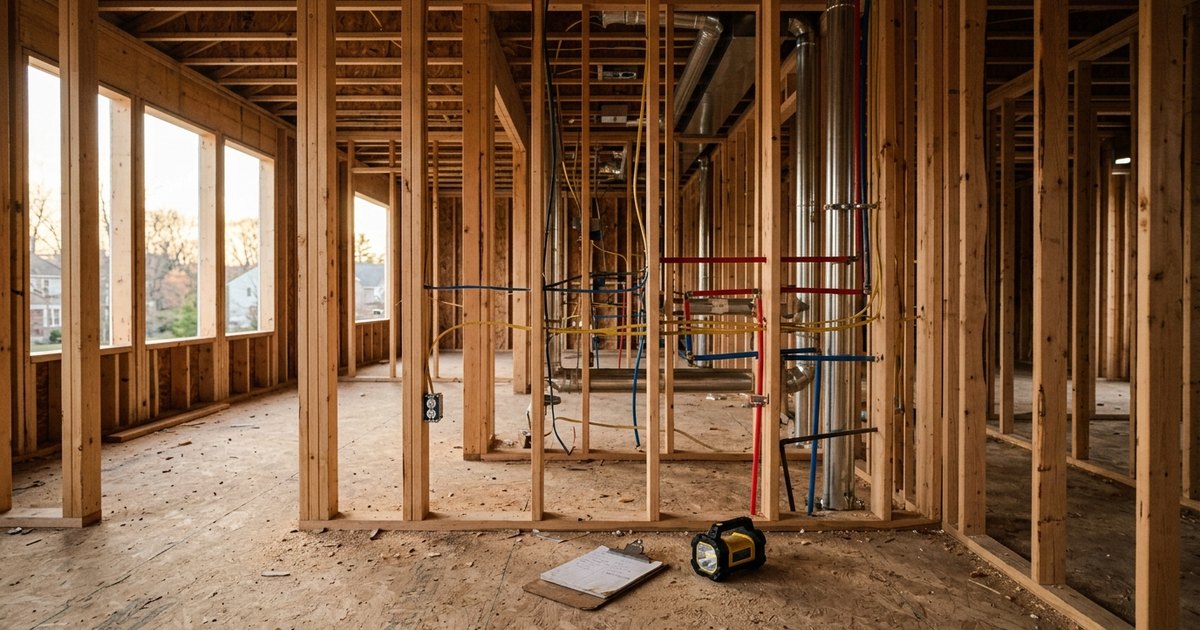
- Build quality. I came from the construction side, so I am useful on what is structural, what can be upgraded later for less, and what to look for in a pre-drywall inspection.
Want a straight answer on your situation?
First conversation is about twenty minutes and costs nothing. Call, text, or send a note.
Is a builder incentive on new construction better than buying resale?
Not automatically. A builder incentive can make a new home's cash to close and early payments competitive with resale, but resale homes often allow more negotiation on price, condition and closing date. Compare the full cost of the specific new home, including lot premium and upgrades, against the specific resale home, including likely repairs.
When I run the comparison, I put these side by side for the first five years: price, cash to close after credits, monthly payment, taxes, the upgrades you would actually want, and repairs on the resale side. If you want to start with what is being built, browse my new construction page or read my overview of new construction homes in PA.
None of this is lending or legal advice. Confirm loan terms with your lender and contract terms with a real estate attorney. The first conversation with me is about twenty minutes and costs nothing.
Frequently asked questions
Do I need a realtor for new construction?
Are new construction upgrades worth it?
Can a builder require me to use its lender?
Is new construction or resale a better deal?
Sources
- Fannie Mae Selling Guide, B3-4.1-02 Interested Party Contributions (IPCs) (opens in a new tab)
- Consumer Financial Protection Bureau, Contact multiple lenders (opens in a new tab)
- Consumer Financial Protection Bureau, How should I use lender credits and points? (opens in a new tab)
- Consumer Financial Protection Bureau, Affiliated Business Arrangement Disclosure Statement Format Notice (opens in a new tab)
This article is general information, not legal, tax, or financial advice. Rates, programs and rules change; confirm current figures with the official source, your attorney, tax professional, or lender. Published . Last updated .