Philadelphia Homestead Exemption: Who Qualifies and How to Apply

Quick answer
The Philadelphia Homestead Exemption reduces the assessed value of an owner occupied primary residence by $100,000 before Real Estate Tax is calculated. Starting in 2025, the City says most homeowners save up to $1,399 a year. Apply through the Philadelphia Tax Center, by phone, or by mail. The final deadline is December 1, and you apply only once.
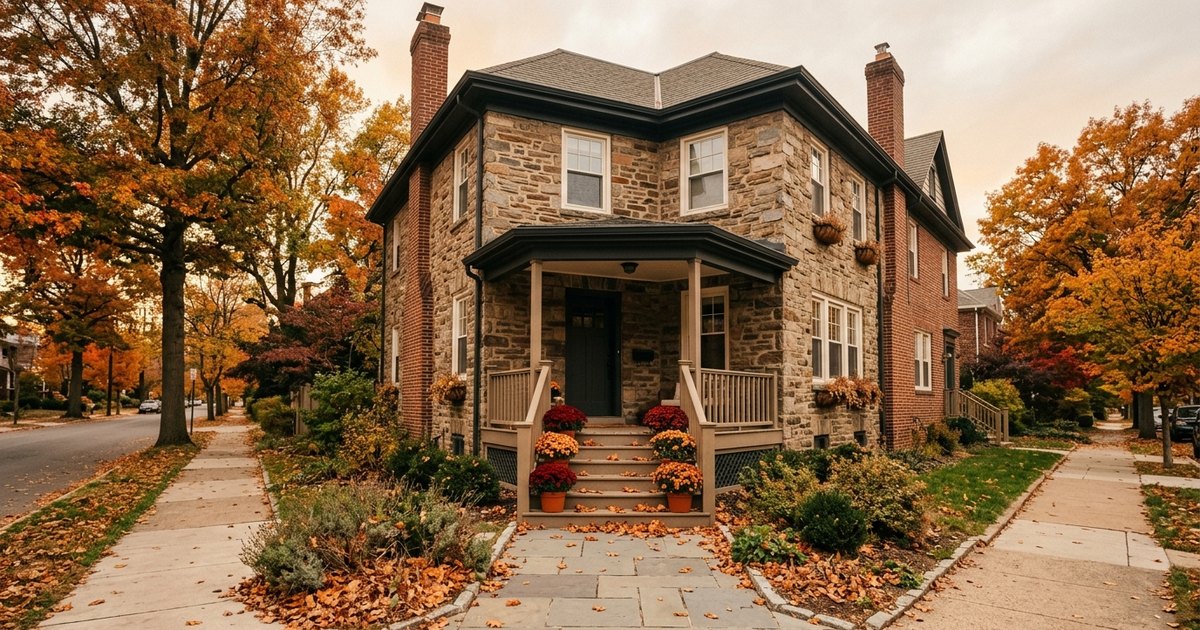
If you just closed on a house in Philadelphia and plan to live in it, the Homestead Exemption is one of the few tax breaks that takes about five minutes and pays every year you own the home. A lot of new owners never file, and the City will not do it for you.
What is the Philadelphia Homestead Exemption?
The Philadelphia Homestead Exemption is a Real Estate Tax break for people who own and live in their Philadelphia home. The City reduces the property's assessed value by $100,000 before calculating the tax. Starting in 2025, the City says most homeowners save up to $1,399 a year. The amount can change, so confirm it on phila.gov.
Here is how the math works on a hypothetical $250,000 assessed rowhome in Port Richmond, using the 1.3998% Real Estate Tax rate the City lists for the 2025 tax year:
| Without Homestead | With Homestead | |
|---|---|---|
| OPA assessed value | $250,000 | $250,000 |
| Exemption | $0 | $100,000 |
| Taxable value | $250,000 | $150,000 |
| Tax at 1.3998% | $3,499.50 | $2,099.70 |
| Annual savings | $1,399.80 |
Over ten years of ownership at the same assessment and rate, that is about $14,000 kept in your pocket. That is real money on a rowhome budget, and it is why I bring it up at every closing.
Buying in Greater Philadelphia?
Tell me your price range and timeline. I will walk you through the real numbers for the houses you are looking at, taxes and closing costs included.
Who qualifies for the Philadelphia Homestead Exemption?
You qualify if you own your Philadelphia home and live in it as your primary residence. The City says homeowners with a mortgage, new owners, and owners who are behind on their taxes can still qualify. Properties with a 10 year residential abatement are not eligible until the abatement expires. Rental properties and second homes do not qualify.
A few situations come up a lot:
- You just bought. You qualify as soon as you own and live there. Being a new owner is not a reason to wait.
- Your house has an abatement. Newer construction and big rehabs often carry a 10 year abatement. You cannot stack Homestead on a residential abatement, so you apply after it ends. My guide to the Philadelphia tax abatement covers how that plays out.
- Tangled title. If you live in a home where the deed is still in a relative's name, the City says a conditional exemption may be available for up to three years while you work on the title. Talk to a real estate attorney about clearing the title itself.
- You own a duplex and live in one unit. Rules for mixed use and multi unit properties can differ. Call the Homestead Hotline before you assume either way.
How do I apply for the Philadelphia Homestead Exemption?
You can apply online through the Philadelphia Tax Center without creating a username or password, by phone through the Homestead Hotline at (215) 686-9200, or by mail to the Department of Revenue, P.O. Box 52817, Philadelphia, PA 19115. If the City's records still list a previous owner, call the hotline or use a paper application.
Here is the order I give buyers right after settlement:
- Wait until your deed shows up in City records. Search your address on property.phila.gov. If it still shows the seller, call the hotline or file on paper.
- Check whether an abatement is on the property. If it is, note the end date and set a reminder to apply after it ends.
- Apply online through the Philadelphia Tax Center. Have your address and OPA account number ready.
- Save the confirmation. Keep a screenshot or the confirmation email with your closing documents.
- Check your next bill. Make sure the $100,000 reduction actually shows up. If it does not, call the hotline.
What is the deadline for the Philadelphia Homestead Exemption?
The final deadline to apply is December 1 of each year. The City says applying by October 1 means the exemption appears on your Real Estate Tax bill, which usually goes out in December. If you are approved after October 1, the City sends a second, adjusted bill. If approval comes after bills are created, you get a credit.
The practical point: file as soon as your deed is recorded, and you will not have to think about these dates at all. If you closed in late fall, file right away anyway. The worst case is a corrected bill or a credit, and you can request a refund by filing a refund petition with the City.
Your Real Estate Tax is due March 31. If you pay through mortgage escrow, tell your lender once the exemption is approved so the escrow estimate drops at the next analysis.
Do I have to reapply for the homestead exemption every year?
No. Once the City accepts your application, you never have to reapply unless your deed changes. The City lists refinancing and adding or removing a co owner as deed changes that require a new application. If the City changes the exemption amount, you do not need to reapply.
That deed rule catches people. If you refinance and your title company records a new deed, or you add a spouse or partner to title, check your account afterward and refile if the exemption dropped off.
The obligation runs the other way too. If the property stops qualifying, for example because you move out and rent it, the City says to notify Revenue within 45 days using the Homestead Change or Removal form. If your application is denied, you can appeal to the Board of Revision of Taxes within 30 days of the denial letter.
What mistakes cost Philadelphia buyers the homestead exemption?
The most common mistakes are never applying, assuming the seller's exemption carries over, budgeting off the seller's lower tax bill, and forgetting to refile after a deed change. Each one costs real money every year it goes unnoticed, and the City does not file it for you after settlement.
The seller's exemption is the big one. When I pull the tax history on a house for a buyer, the current bill often reflects the seller's Homestead, a senior freeze, or both. Those are personal to the seller. Your lender should estimate escrow off your own numbers: the full assessment, minus $100,000 once you are approved, times the current rate.
The other trap is the gap between closing and approval. Your first bill after buying may arrive without the exemption if you filed late. That is fixable with a corrected bill or a credit, but only if you actually filed. If you are still shopping, my Philadelphia page covers the housing stock and price points across the city.
Is the Philadelphia exemption the same as the PA homestead exemption?
Not exactly. Philadelphia runs its own Homestead Exemption on the City Real Estate Tax. Elsewhere in Pennsylvania, homeowners apply for a homestead exclusion through their county assessment office, which reduces school property tax. The Pennsylvania DCED says that application must be filed by the preceding March 1 for the school tax year.
If you are buying in Montgomery, Delaware, Bucks, or Chester County instead of the city, the steps and amounts are set by your county and school district, not by Philadelphia. Call the county assessment office after closing and ask for the homestead and farmstead application. The DCED also notes the exclusion depends on state allocations to school districts, so the dollar amount varies by district and year.
Homestead is one piece of the bigger property tax picture. For how the rest of the bill is built, see my guide to Philadelphia property tax.
Want a straight answer on your situation?
First conversation is about twenty minutes and costs nothing. Call, text, or send a note.
The bottom line on the Philadelphia Homestead Exemption
The Philadelphia Homestead Exemption takes $100,000 off the assessed value of the home you live in, which the City says saves most owners up to $1,399 a year starting in 2025. Apply once after closing, before December 1, and refile only if your deed changes. Confirm current amounts with the City and your tax professional.
Frequently asked questions
What do I need to apply for the Philadelphia Homestead Exemption?
Does the homestead exemption lower your property value?
How do I check if I already have the homestead exemption?
What happens if I apply after the October 1 date?
Sources
This article is general information, not legal, tax, or financial advice. Rates, programs and rules change; confirm current figures with the official source, your attorney, tax professional, or lender. Published . Last updated .